Beyond the Focus Group: Using Innovative Methodologies to Track Women’s Fitness Apparel Preferences
Share:
LinkedIn
Facebook
Twitter
The market for women's fitness apparel has been expanding by as much as 10% each year over the last several years, but manufacturers struggle to keep pace with consumers' evolving and highly specific preferences. Factors like poor fit, insufficient support, and lack of durability consistently impede performance and confidence, demonstrating a critical gap between manufacturer offerings and user needs.
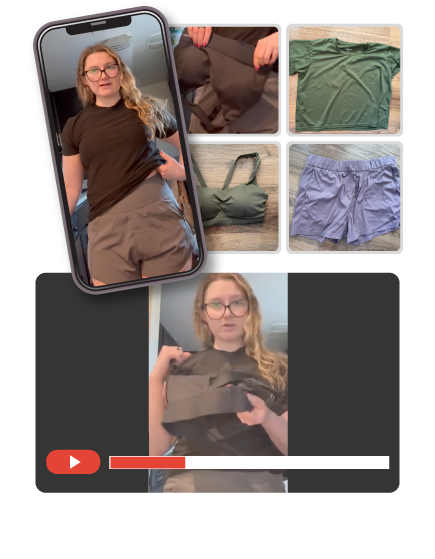
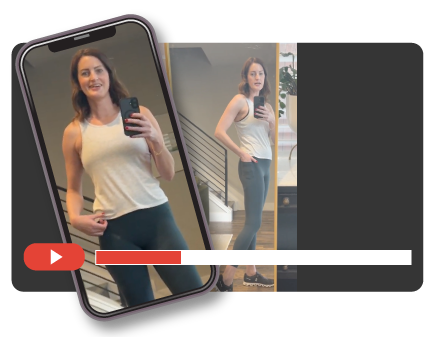
Our recent research provided a comprehensive investigation into women’s fitness apparel preferences and was distinguished by its innovative approach. Building on our expertise with conventional surveys, focus groups, and individual interviews, we utilized phone-based applications as the primary data collection tool to gather authentic, detailed consumer experiences directly from consumers' homes though in-context mobile ethnography.
It has never been difficult to get women or men to talk about their fitness apparel and wardrobes. We’ve heard it when engaging shoppers in online focus groups and interviews about their designer purchases, their use of re-commerce platforms, and how they select their hiking, tennis, and pickleball gear. For this project we wanted to get insights around fit and purchasing decisions through a series of quick home-based engagements.
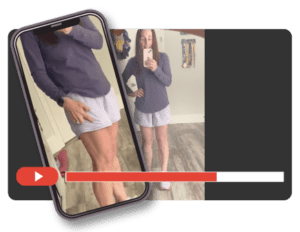
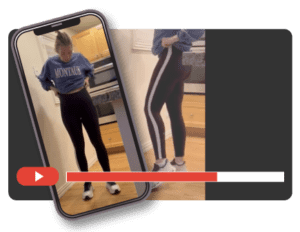
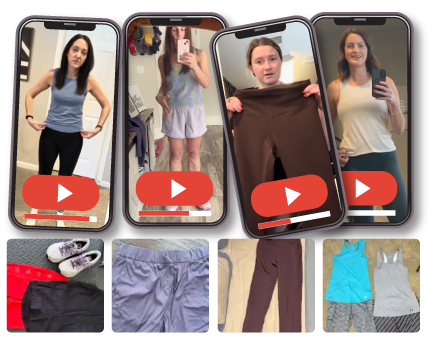
We tasked our research participants with wearing and showing us their workout gear and telling us about it - much like the RushTok craze that took hold a couple years ago. By responding to these research prompts and tasks on their own time and in their own space, we caught them in the moment - fresh from a workout, dressing for yoga class, or rifling through a drawer of fitness apparel. Through selfie videos and images, they showed us their latest purchases and shared the stories that drove their recent apparel purchases. They also showed us what they replaced and described why those items and brands fell out of favor.
Keep reading for a peek into our research learnings.
What She Wants
For many active women, the hunt for a perfect pair of workout leggings or sports bra is endless. The right blend of materials, functionality, and style often seems chimerical. But when they find something new, they love it and want to talk about it! Here are the some of the reasons our participants were loving their newest wardrobe additions:
Style
We saw a mix of monochromatic items, bold colors, and fun accents at the top of the list. Bold colors for sets or separates, a pop of color on an individual item, stand-out stripes, and even subtle accents like lace and visible stitching made the purchases feel special and, more importantly, fun.
Function
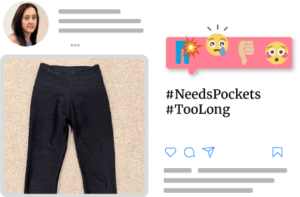
Everyone loves a good pocket - especially a covered and secure one. In fact, pockets were the most commented feature on new purchases. One seemed to be enough, and all it needed to hold was a phone and an ID.
Support and Compression
High, thick, and strong waistbands are in. They keep bottoms and tops in place without rising or falling. They allow women to transition between activities and offer the same support for both leaning over and reaching upwards.
What She’s Replacing
The journey to the right fitness apparel is littered with a long sequence of duds. We asked participants to show us what they were replacing and to tell us why. Here are the most common items women were looking to replace:
Leggings/Pants
Women replaced their leggings and pants primarily due to poor fit, citing issues like the rise being too low or the garment constantly falling down during exercise. The material itself was also a key factor, with items being replaced because they stretched out or felt too heavy or hot.
Shirts/Tops
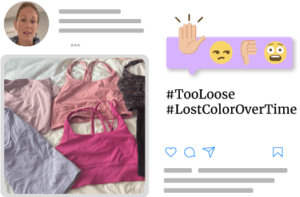
Replacement reasons centered on the fit - being too loose, boxy, or too fitted. Other deciding factors were wear and condition, with users retiring items that had gotten shabby, discolored, or showed a lack of durability through pilling.
Sports Bras
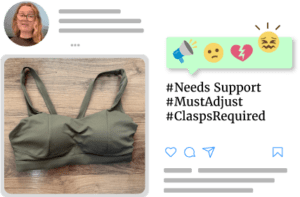
The single most reported reason for replacing a sports bra was a lack of high support necessary for cardio and high-impact activities. Items without adjustable clasps or straps did not last long, especially for higher-impact activities like running.
Dominant Logos
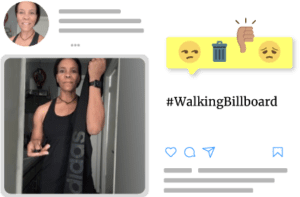
These women do not want to be a walking billboard. They appreciate subtle logos, not screaming logos. Many called out the small logos (on calves and hips), preferring these to logos becoming the focus of their workout apparel.
What Manufacturers Should Focus On
Based on our analysis of what women were replacing and why they preferred their new items over those being replaced, we identified three thematic buckets for product improvement and innovation activities:
1. Fit and Comfort:
A major concern is poor fit, with complaints about items constantly falling down, being too short, too loose, or stretching out quickly. We recommended that our client should focus on improving waistband security (e.g., higher rise options, better grip), ensuring materials maintain shape over time, and offering more consistent and inclusive sizing that accommodates various body types during activity.
2. Durability and Material Quality:
Users are replacing items due to common signs of wear and tear, such as pilling, fabrics getting "shabby," and loss of original color or shape. We recommended the use of higher-quality, more resilient fabrics that resist abrasion and retain their performance and aesthetic properties through regular washing and use.
3. Functional Design and Utility:
Feedback pointed to specific design flaws that impede performance, such as painful zippers, a lack of desired features like side pockets, and insufficient support (in sports bras and tops). We recommended user-focused testing to ensure all design elements enhance, rather than hinder, the workout experience (e.g., adding adjustable features and considering material wicking properties).
The Magic Was the Method
While the above is a very high-level peek into our findings and recommendations, this innovative research approach allowed us to generate a precise, evidence-based roadmap detailing desired product features – from superior compression and high-rise waistbands to functional pockets and enhanced material quality. The findings provide actionable insights for our client and manufacturers seeking to truly align product development with the explicit, functional, and aesthetic needs of their target customers.
In-context mobile ethnography allows us to collect video and images of participants in their own space, not in a room with others. This gives participants the opportunity to record, review, and if necessary, reshoot, their videos, allowing for more participant control over and comfort with the output than if they were live in a focus group or interview.
Twenty - even ten - years ago, conducting multi-city research with the number and range of participants we studied for this project would have taken months while incurring significant cost. With a phone-based research app, we are able to cut BOTH timelines and budgets, enabling us to uncover insights and deliver actionable recommendations quickly.